Architecture

Facing an HMRC enquiry, this Commercial Fit-Out company partnered with Wilby Jones to successfully defend its R&D tax relief claim and achieve a positive outcome.
Who was the client?
The client is a UK-based interiors fit‑out contractor specialising in integrated design, build, shopfitting and joinery for office, retail and hospitality spaces. It delivers end‑to‑end commercial refurbishment projects, combining workspace design, project management and in‑house joinery to create tailored environments rather than off‑the‑shelf solutions. The company is a long‑established private limited business with a small, specialist team and dedicated workshop and office facilities that support rapid, agile project delivery. Known for sector awards and B Corporation certification, it positions itself at the forefront of its field by combining high‑quality craftsmanship with progressive, responsible business practices.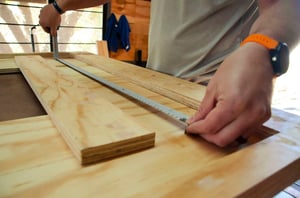
What challenges did our client face?
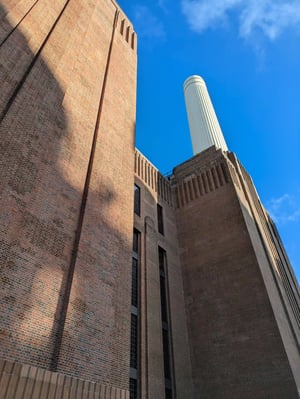
HMRC did not understand the complex work undertaken on the R&D projects associated with the Battersea Power Station. Due to these misunderstandings, HMRC were under the impression that the work undertaken by the client was standard practice and did not require innovation.
This urged HMRC to question the validity of the competent professionals. If the work was standard (as HMRC believed), then were the professionals within the company really at the cutting edge of their field, or were they simply behind the times? Wilby Jones’ work clarified this for them.
What was the result?
The client’s enquiry was successfully resolved after just two letters from Wilby Jones, explaining the R&D projects, the credibility of the competent professionals, and the cost methodology. The case highlighted how a proactive approach where the client is forthcoming with information that Wilby Jones deliver in an accessible manner is crucial to an R&D claim.Following the successful closure of the compliance check, the client has continued to work with Wilby Jones for their R&D claims for subsequent years.